Some stories feel too familiar to question. Told and retold across generations, they settle into memory as simple truths… until one small shift in perspective reveals something far more complex beneath the surface.
Some stories are not told to reveal the truth, but to shape it. What begins as a tragic night in history slowly unfolds into something far more unsettling… a narrative crafted, repeated, and accepted, until the line between fact and fiction quietly disappears.
He had mastered stillness, or so he believed, until a single moment shattered the quiet power he carried within. What followed was not a fall, but an unraveling… one that would lead him far beyond the forest, into a truth he had never thought to seek.
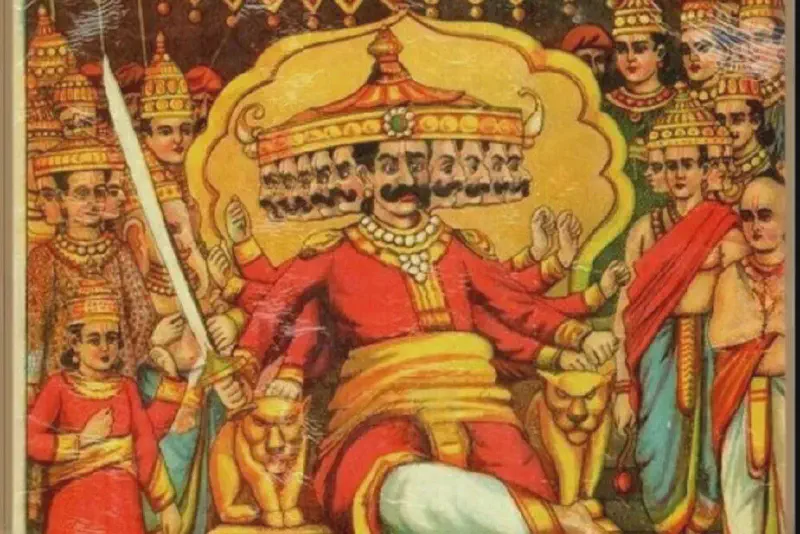
What happens when a king tries to control the cosmos itself? According to a fascinating legend from the Ramayana tradition, Ravana—the brilliant yet arrogant ruler of Lanka—once captured the nine planets to force the universe to grant his son an invincible destiny. But one planet refused to submit, a mischievous sage intervened, and a divine monkey warrior would later alter the balance of cosmic justice.
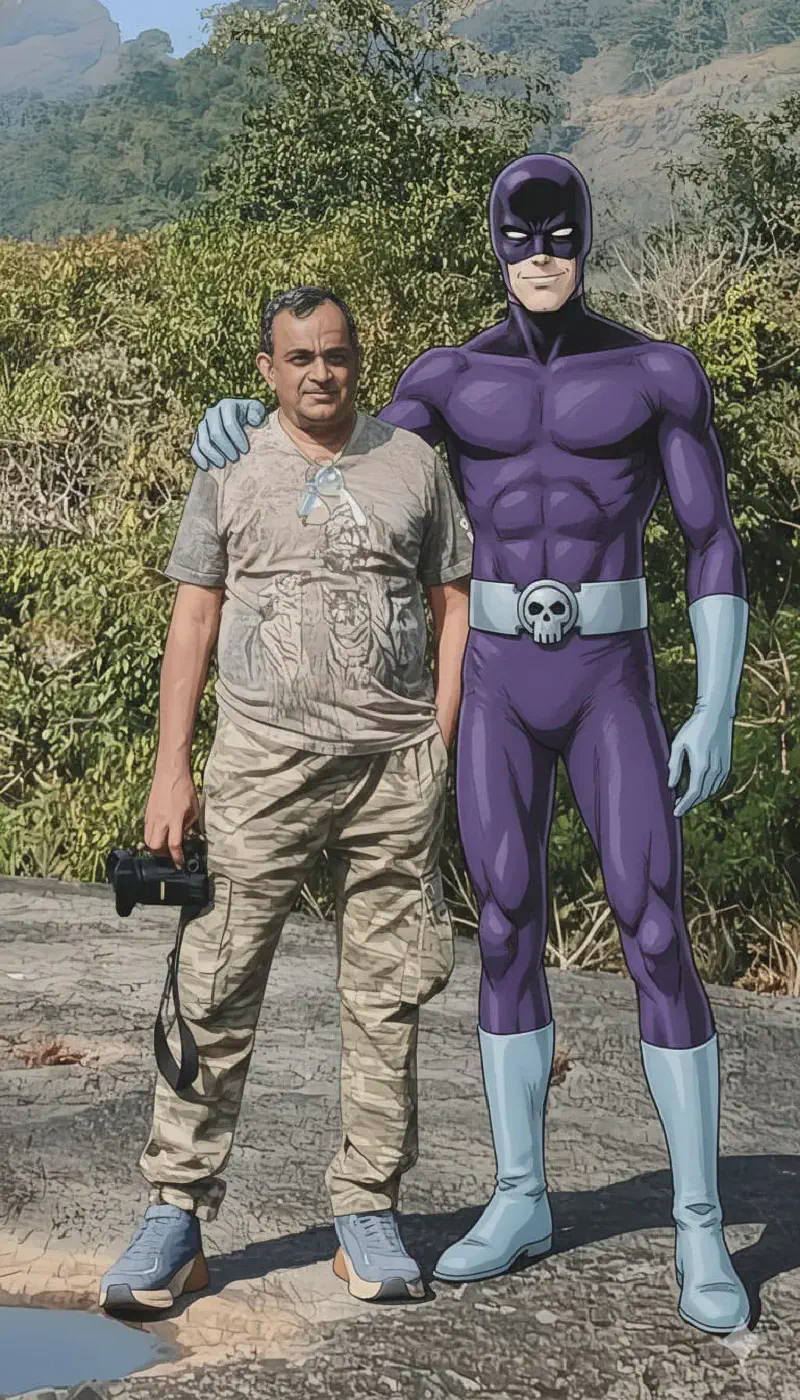
A tribute to the legendary masked hero who began the superhero legacy—90 years of courage, justice, and imagination.
Why would a meat-loving Christian suddenly become vegetarian for forty days? The answer lies in the quiet, powerful journey from Lent to Easter.
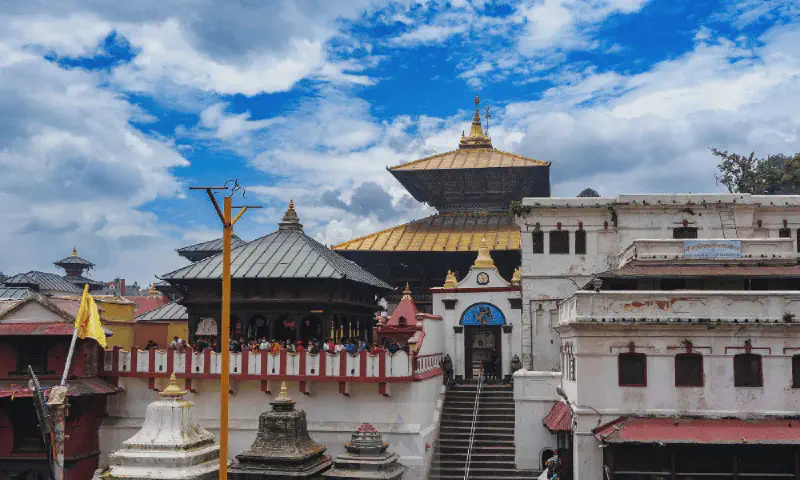
An archaeologist with a mythic name. A banker attacked in broad daylight. And a shadowy network stirring once again. The sequel to The Kumbh Conspiracy begins.
A rain-drenched Greater Coucal declares war on a camera lens and loses spectacularly.
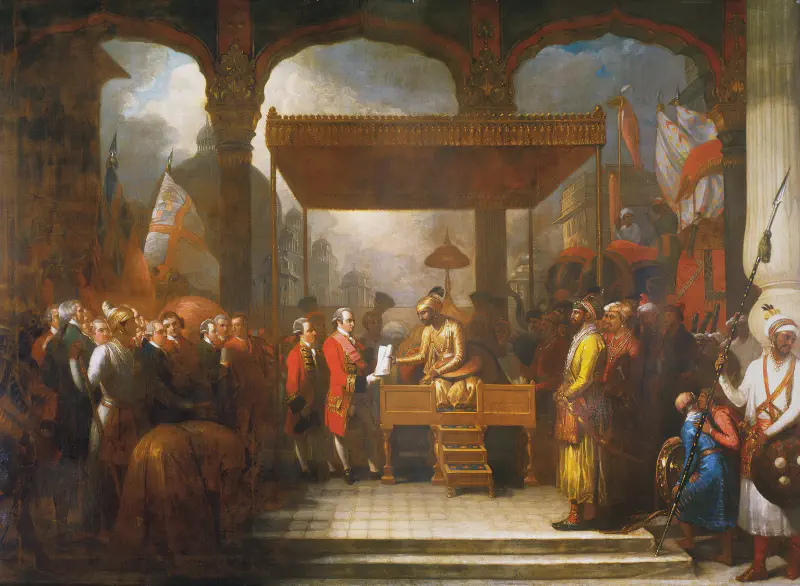
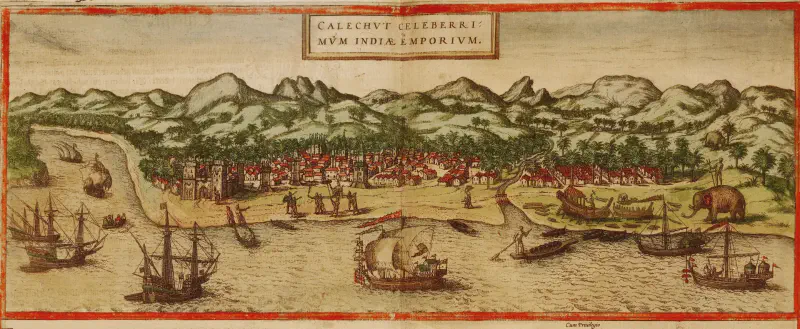
Before Goa was beaches and sunsets, it was a wager placed on shifting tides. A warlord’s whisper, a general’s gamble, and a port that no one meant to take became the heart of an empire that would refuse to leave for five hundred years.
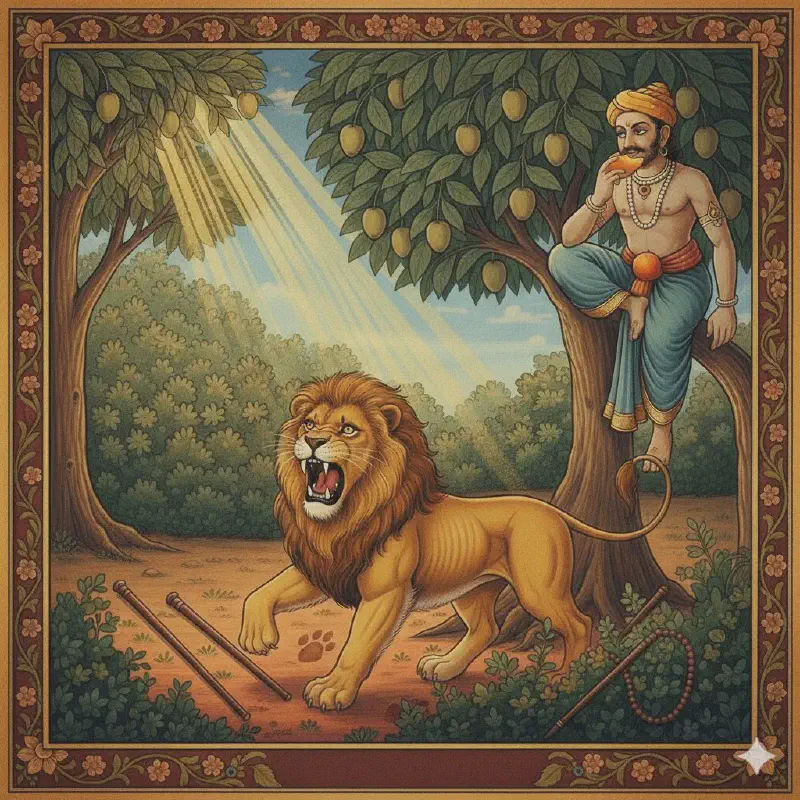
Three brilliant scholars resurrect a lion to prove their mastery. The one friend with no special learning climbs a tree instead. When the lion awakens, only common sense survives.